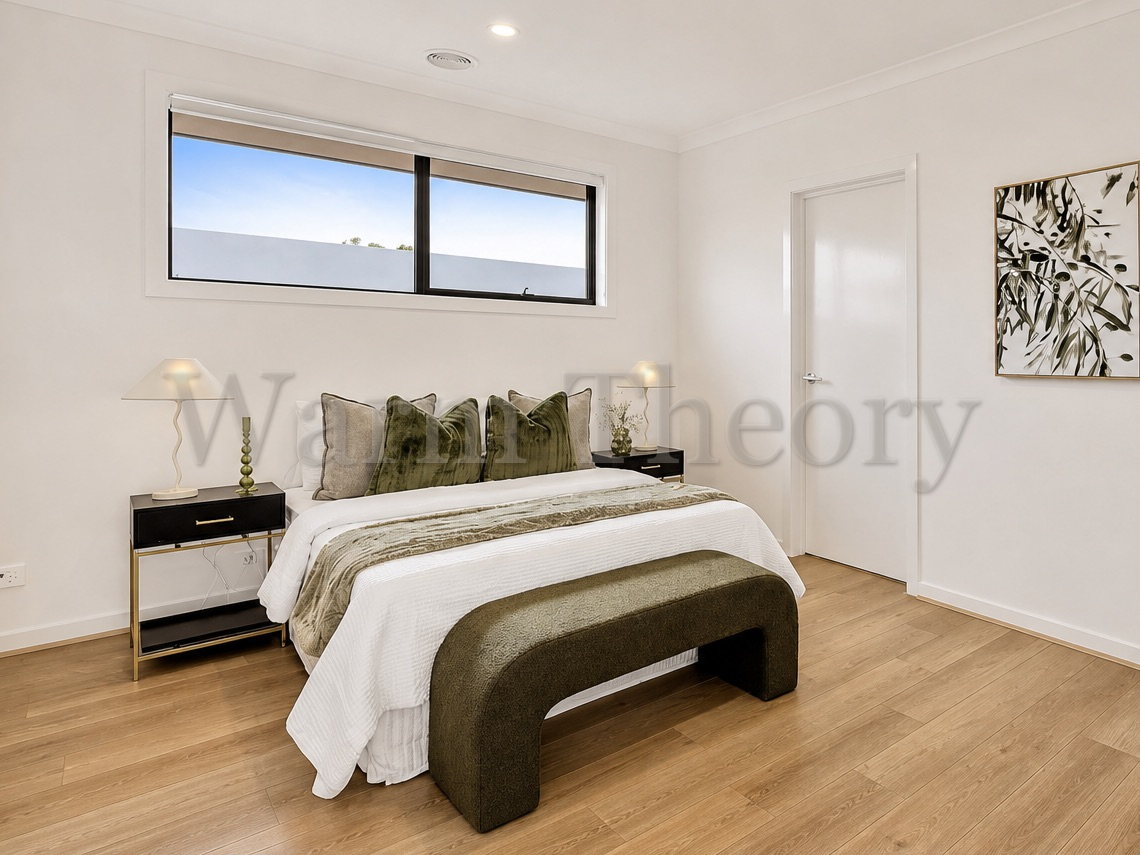
One of the first questions we answer on almost every free consult is whether a home should be styled vacant or occupied. It sounds like a small detail, but the vacant vs occupied styling decision shapes your budget, your timeline and, honestly, how the finished listing feels to a buyer. From our home staging work in Melbourne, I can tell you there is no single right answer. There is only the right answer for your property, your situation and the buyer you are trying to reach. Here is how the two approaches actually differ, and how we help you choose.
The short version
- Vacant styling means we bring in a full furniture package for an empty home.
- Occupied styling means we work with your existing furniture and add or edit as needed.
- Vacant usually costs more but gives complete control over the look.
- Occupied is lighter on budget and logistics, but depends on the quality of what you own.
- The right choice comes down to whether you have already moved out and how your current pieces present.
What is vacant (full) home styling?
Vacant styling, sometimes called full staging, is when a home is empty and we furnish it completely for the sale. That means everything: sofas, beds, dining settings, rugs, artwork, lamps, styling accessories, the lot. It is the version of property styling most people picture when they imagine a display-home finish.
The big advantage is control. Because we start with a blank space, we can style the home to suit its architecture, its light and its most likely buyer without working around anything. A period bayside home gets a different treatment to a new townhouse, and with vacant styling we can commit fully to that vision. Empty rooms also photograph poorly and feel smaller than they are, so furnishing them gives buyers a sense of scale and purpose for each space.
What is occupied (style-around-your-furniture) styling?
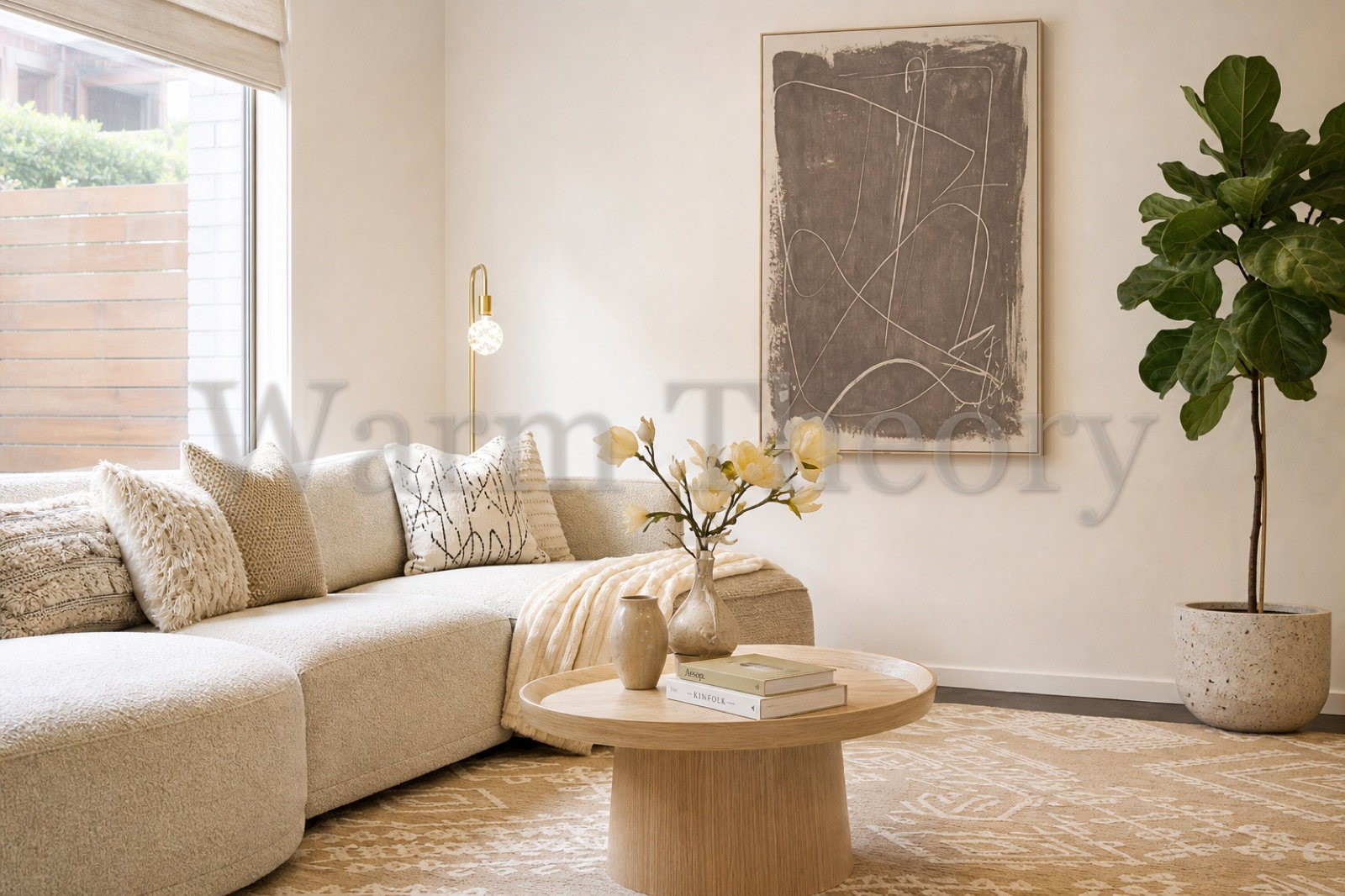
Occupied styling is for homes that are still lived in, or at least still furnished. Rather than replacing everything, we work with what you already own, then edit, rearrange, supplement and accessorise to lift the whole home to a sale-ready standard. Sometimes that means bringing in a few hero pieces (a better sofa, a proper rug, artwork and lamps) and removing a lot of the everyday clutter that quietly makes rooms feel smaller.
This is often called partial styling or a style-around, and it is very common for sellers who are living in the home right up to the campaign. Done well, it looks just as considered as a full stage. The honest caveat is that the result depends on the quality and scale of the furniture you already have. Good bones make occupied styling shine. Tired or mismatched pieces limit how far we can take it.
Pros and cons of each approach
Vacant styling
- Pros: complete creative control, a cohesive display-home finish, rooms that read at full scale, and a clean campaign timeline because nobody is living there.
- Cons: it is the larger investment, since we supply every piece, and it requires the home to be empty and access to be straightforward.
Occupied styling
- Pros: lighter on budget, faster to turn around, and practical when you cannot move out before selling.
- Cons: the finish is constrained by your existing furniture, and living in a styled home during a campaign takes discipline to keep it photo-ready.
Cost and logistics differences
Vacant styling is almost always the bigger of the two, because you are paying for a full furniture package rather than a top-up. We do not publish a rate card, because a fair quote depends on the size of the home, the number of rooms styled and the pieces involved. What I can promise is that every quote we give is fixed and itemised after a free on-site consult, so you know exactly what you are paying for before you commit. Our standard hire period is around six weeks for a campaign, which suits most Melbourne sale timelines, and it can be extended if your campaign runs long.
Logistically, vacant styling needs a clear, empty home and a delivery window. Occupied styling needs a decluttered home and your cooperation to keep it presentable through inspections. Neither is difficult, but they ask for different things from you, which is worth planning for early. Our room-by-room checklist for preparing your home for sale is a good place to start either way.
Which one suits which seller?
Vacant styling tends to suit sellers who have already moved out, investors selling a tenanted or empty property, and higher-value listings where a complete, tailored look justifies the spend. Occupied styling tends to suit sellers who are living in the home until settlement, or who already own good-quality, well-scaled furniture that only needs editing and a few additions.
If you are still weighing up whether styling is worth it at all, our honest take on whether home staging helps a house sell faster is a good next read, along with our practical guide to home staging cost in Melbourne.
How Warm Theory handles both
We offer both vacant and occupied styling, and we do not push you toward the more expensive option by default. On the free on-site consult, we walk the home, look at your existing furniture, talk through your budget and campaign timing, and then recommend the approach that gets the best result for the money. Sometimes that is a full stage. Often, for a well-kept family home, it is a smart style-around. Either way you get a fixed, itemised quote, a professionally trained team, and the same standard of finish that has carried across 250+ homes styled throughout Victoria. If you want to see how these ideas apply room by room, our guide on how to style a home like a pro covers the fundamentals we use on every project.