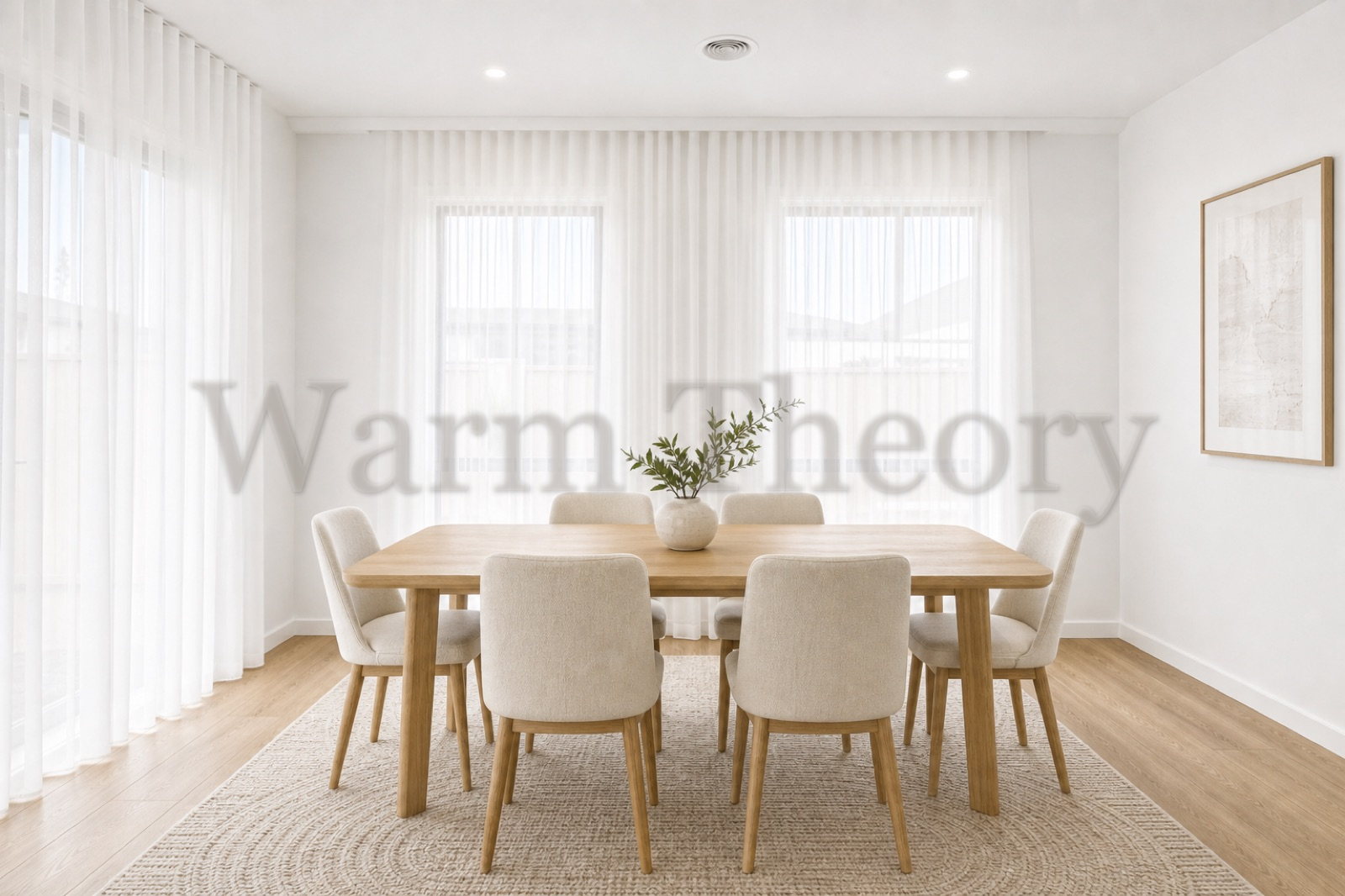
Full home staging furnishes an empty property with a complete hire inventory, while partial home staging works alongside your existing furniture, adding key pieces and accessories to lift the presentation. Full staging suits vacant homes and dated interiors; partial suits occupied homes that already have usable furniture. Choosing the right scope is the single biggest lever on cost, and property styling and home staging both offer these two levels.
The short version
- Full staging fits out an empty home from scratch with hired furniture.
- Partial staging tops up and restyles furniture you already own.
- Full gives complete control; partial is usually lighter on cost.
- Vacant or dated homes lean full; well-furnished occupied homes lean partial.
- Warm Theory recommends the right scope at a free consult, for every budget.
What is full home staging?
Full home staging is the complete fit-out you probably picture when you think of staging. The property is empty, or close to it, and the stylist brings in a full inventory of hired furniture, art, rugs, lamps and accessories, then installs and later removes it all. Because nothing existing is working against the design, full staging gives the stylist complete control over the presentation, the palette and the flow. It is the standard approach for vacant homes and for occupied homes where the current furniture is dated or mismatched.
What is partial home staging?
Partial home staging, sometimes called a top-up or occupied styling, works with what is already in the home. The stylist edits the existing furniture, keeps the pieces that photograph well, removes what is not helping, and adds a targeted set of hire pieces and accessories to lift the rooms that carry the listing. It is a lighter touch that suits sellers who still live in the property and own furniture that already presents nicely. Our guide to vacant vs occupied home styling is a useful companion here.
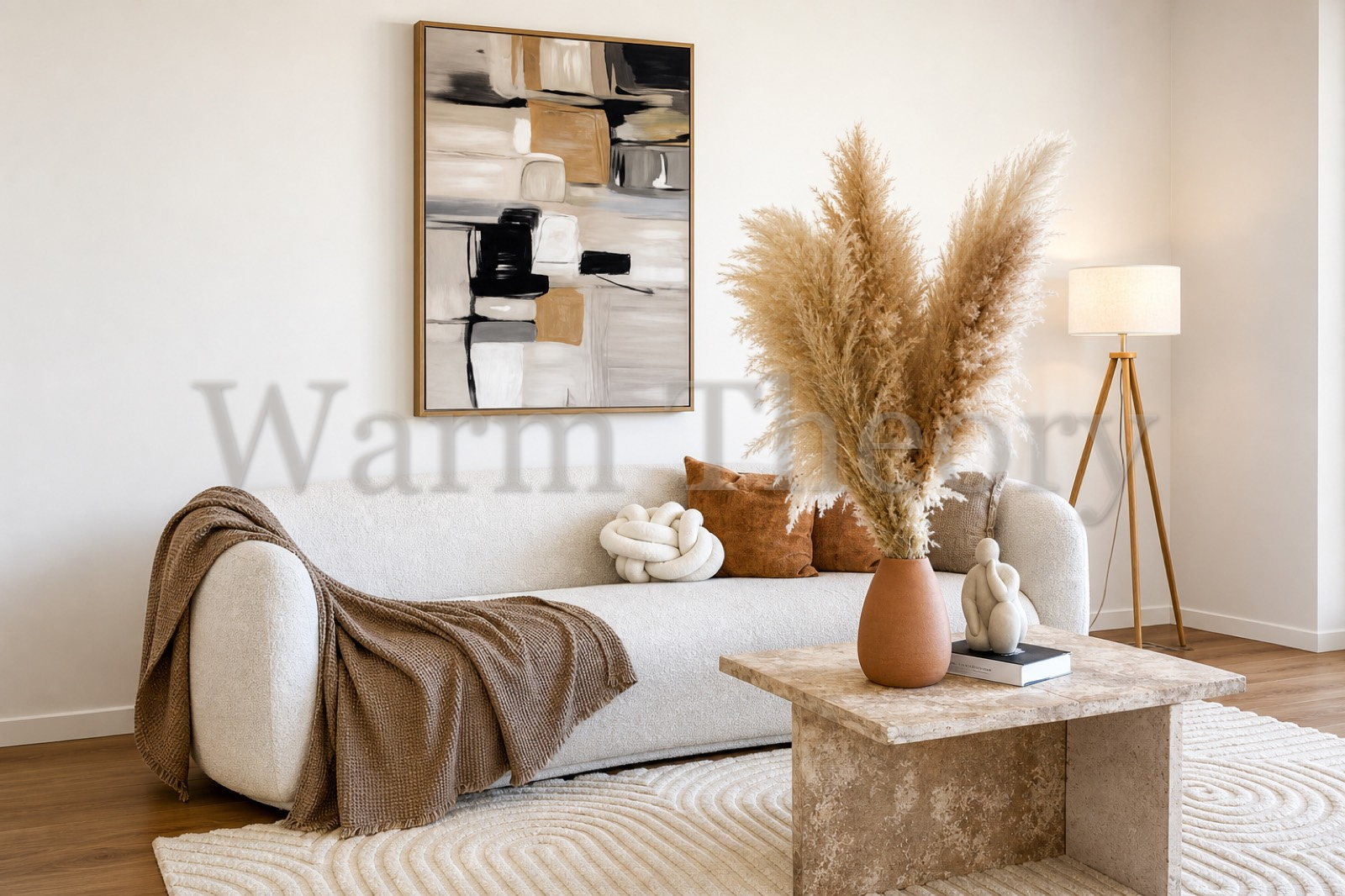
Partial vs full: a side-by-side comparison
| Partial staging | Full staging | |
|---|---|---|
| Best for | Occupied homes with usable furniture | Vacant or dated homes |
| What is added | Select hire pieces and accessories | A complete hire inventory |
| Control over the look | Partial, works around what you own | Complete |
| Relative cost | Usually lower | Usually higher |
| You can live there | Yes | Not applicable, the home is empty |
How to choose the right scope
A few honest questions usually settle it:
- Is the home vacant? If yes, full staging is almost always the answer, because empty rooms are hard for buyers to read.
- Is your furniture current and cohesive? If it photographs well and suits the buyer, partial may be enough. If it is dated or mismatched, full gives a better result.
- Which rooms carry the listing? Sometimes a partial approach focused on the hero rooms delivers most of the benefit for less. We cover this in do you need to style every room.
- What is your budget? Warm Theory works across every budget, and the scope can be tuned so the spend goes where it matters most.
How scope affects cost
Scope is the single biggest driver of a staging quote. Full staging involves more furniture, more accessories, and more time to install and remove, so it costs more than a targeted partial styling. That does not make partial the automatic choice, though. If the existing furniture is working against the home, a partial approach can leave money on the table by underselling the property. The right call balances presentation and budget, which is exactly what we assess at the consult. For the full picture on pricing, see home staging cost in Melbourne.
Frequently asked questions
Is partial staging always cheaper than full?
Usually, because it uses fewer hire pieces. But cost depends on the property and scope, so an itemised quote is the reliable comparison.
Can I mix partial and full across rooms?
Yes. It is common to fully style the hero rooms and lightly top up secondary spaces, focusing the budget where it has the most impact.
Will partial staging still lift my listing photos?
It can, when your existing furniture is a good base. Editing, restyling and a few well-chosen pieces often make a clear difference in the photos.
Do you offer honest advice on which to pick?
Yes. If a full styling is not the right call for your home, we will say so and recommend a partial approach instead.
Is the hire period the same for both?
Yes. Whether partial or full, hire pieces run on our standard 12-week hire, extendable if the campaign runs longer.
The next step
The quickest way to land on the right scope is a free on-site consult, where we assess your furniture and your campaign and recommend full, partial or a mix. Book one through our home staging and property styling service, and see both approaches in our portfolio.